AI Product Photography for MENA Ecommerce: A Founder's Cost Breakdown
When AI beats a Riyadh or Dubai photo studio, when it doesn't, and how to set up a product-image pipeline that scales from 50 SKUs to 5,000 — for Salla, Zid, Noon, and Amazon SA.
From the Memm Editorial Team
Original guides on Arabic ad design, MENA campaign strategy, and bilingual creative direction.
AI Product Photography for MENA Ecommerce: A Founder's Cost Breakdown
When AI beats a Riyadh or Dubai photo studio, when it doesn't, and how to set up a product-image pipeline that scales from 50 SKUs to 5,000 — for Salla, Zid, Noon, and Amazon SA.
The 200-SKU problem every MENA founder hits in month 2
You launched a skincare line on Salla. The first 12 SKUs went live with phone shots taken on a kitchen counter in Riyadh — fine for a soft launch, embarrassing the moment you ran a Snapchat ad and the conversion rate landed at 0.4%. So you called a studio in Olaya. The quote came back: SAR 1,200 per hero shot, SAR 600 per pack-shot, SAR 800 per lifestyle, plus prop styling at SAR 400/hour and a 7–10 working-day turnaround. Total for the next 50 SKUs: north of SAR 75,000, three weeks blocked, and you still need a second batch in six weeks for the abaya capsule line. This is the math that pushes every MENA ecommerce founder toward AI product photography — not because AI is trendy, but because the unit economics of traditional studio shoots break the moment your catalog crosses 30 active SKUs.
Why MENA ecommerce is different (and harder than the AI demo videos suggest)
MENA ecommerce is a smartphone-first market — 79% of UAE online purchases happen on mobile (Mordor Intelligence UAE Ecommerce Market, 2025), and Saudi Arabia's number is climbing past 75% (Mordor Intelligence Saudi Arabia Ecommerce Market, 2025). That means product imagery isn't a polite "above the fold" decoration. It is the entire conversion surface. A founder shipping to Salla, Zid, Noon, or Amazon SA is fighting for attention on a 6.1-inch screen against three other tabs and a Snapchat notification.
It is also a market with strict marketplace compliance and cultural specificity that off-the-shelf AI tools designed in San Francisco rarely understand. Noon enforces a hard white-background requirement on the primary product image — not a stylistic preference, an automated rejection rule. Salla's product page algorithm rewards consistent aspect ratios across a SKU range. Amazon SA's style guide bans props on the hero. And on the lifestyle side, modesty norms shape what is even shootable: a beauty brand selling a hair serum cannot, in most cases, show uncovered hair on a model in a Khaleeji-targeted ad without losing the audience it is trying to reach.
The good news: every one of these constraints is solvable with AI generation faster and more cheaply than with a studio. The bad news: only if you brief the model correctly and post-process to marketplace specs.
The four jobs a MENA product photo actually has to do
Before any cost comparison makes sense, you need to know what you are actually buying. A product photo on a Saudi or Emirati ecommerce stack does four different jobs, and each has a different bar.
- The marketplace pack-shot — pure white background, product centered, no props, accurate color. This is the image that decides whether Noon, Amazon SA, or Salla even accepts your listing. The bar is technical compliance, not artistry.
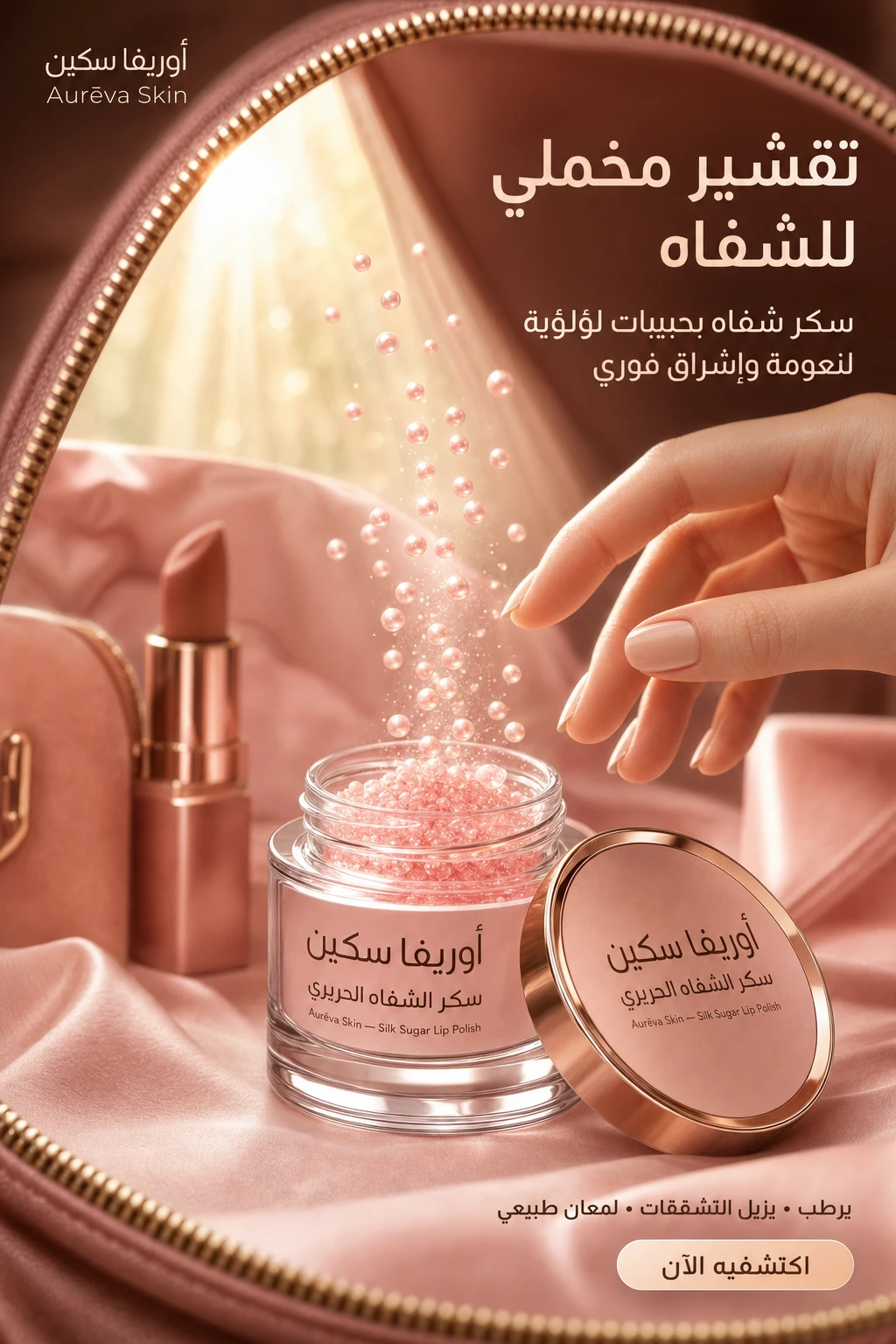
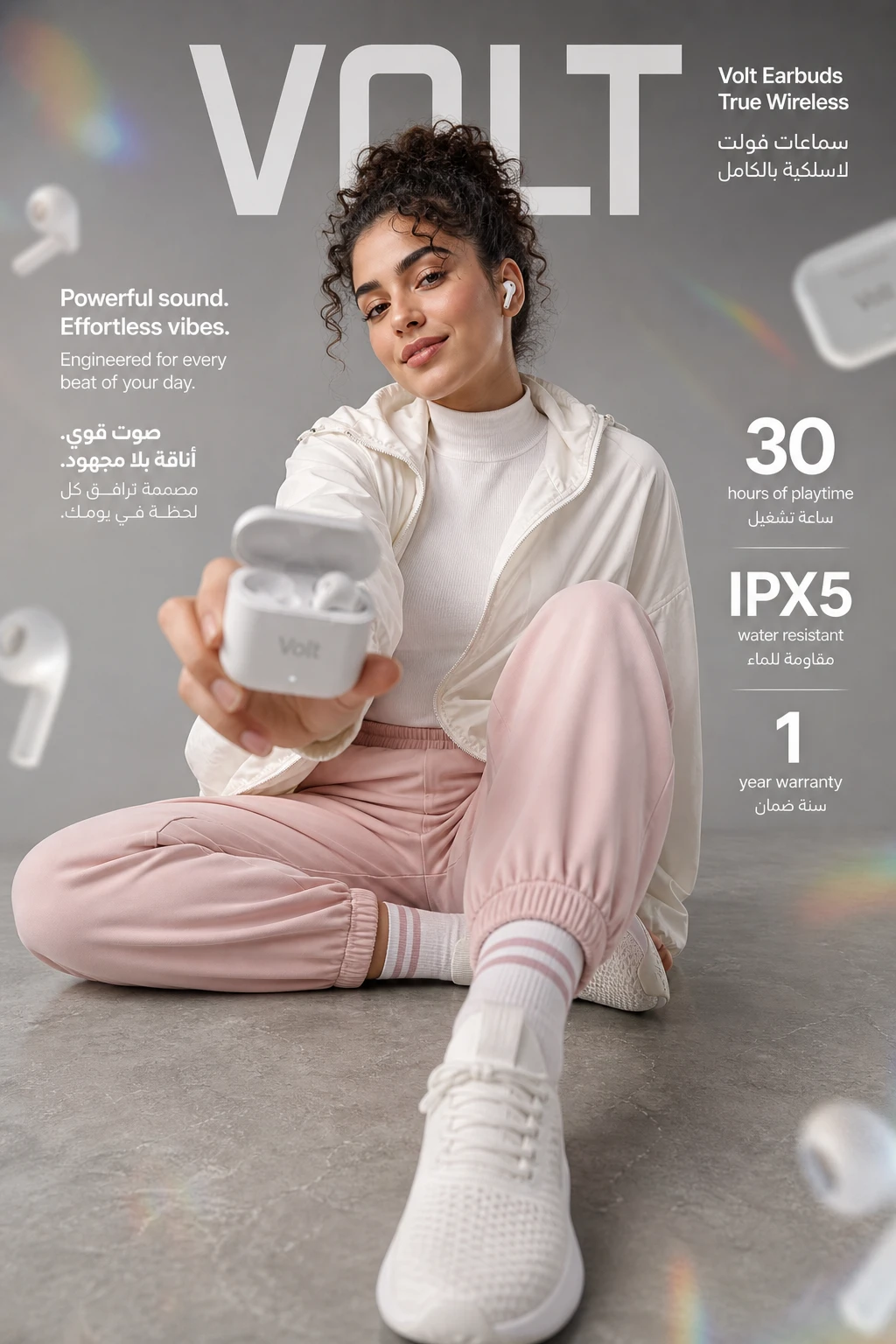
- The lifestyle hero for paid social — Instagram and TikTok ads where the product sits in a generated environment, often with cultural cues (a Khaleeji majlis, a Levantine balcony, an Egyptian rooftop at golden hour). The bar is stopping the thumb.
- A+ content and detail-page modules — the secondary images on the product page that tell the story, show ingredients, walk through use cases. The bar is information density without breaking the page's visual rhythm.
- Story and Reel snippets — vertical 9:16, motion-friendly framing, brand logo lockup in the safe zone. The bar is recognizability in 1.5 seconds.
A traditional studio shoot blurs these jobs. A typical Riyadh package quotes "10 product images" and you get 10 hero shots — none of which fit Noon's pack-shot rules and only two of which work as 9:16 vertical. AI generation lets you commission the four jobs separately, in the right aspect ratios, for less than the studio quote for one of them.
AI vs. studio: the real-money table
The table below uses live 2026 quotes from three Riyadh studios, two Dubai studios, and Memm's own per-image cost. All numbers in USD for portability. "AI" assumes a Hi-Fi tier generation (the right tier for marketplace-grade output; the standard tier is a step lower in fidelity).
| Catalog size | Traditional studio total | AI generation total | Time-to-finish (studio) | Time-to-finish (AI) |
|---|---|---|---|---|
| 50 SKUs (3 images each = 150) | $24,000–$45,000 | $1,800–$3,000 | 14–21 days | 1–2 days |
| 200 SKUs (3 images each = 600) | $90,000–$170,000 | $7,200–$12,000 | 6–10 weeks | 4–7 days |
| 2,000 SKUs (3 images each = 6,000) | $700,000–$1.4M (impractical) | $72,000–$120,000 | 6+ months (impractical) | 30–45 days |
The studio quotes include creative direction, prop styling, basic retouching, and one revision round. They do not include re-shoots when a buyer rejects the angle, hard-drive delivery, or the inevitable "we need it for Ramadan, can you compress timeline?" rush fee. Real studio invoices in Riyadh and Dubai run 15–25% above the headline quote once these line items hit.
The AI numbers include the generation cost itself, plus an honest 20% buffer for re-generations and a 10% buffer for marketplace post-processing (background cleanup, aspect-ratio crops, JPG export at the right compression). If a brand budget assumes one generation = one usable image, that brand is going to be unhappy. The honest ratio is closer to 1.4 generations per finished image at the Hi-Fi tier — and 2.0+ at the standard tier when the SKU has detailed branding to preserve.
When AI wins decisively, and when the studio still wins
This is the part most "AI vs. studio" articles get wrong by being all-in on one side. Here is the honest split based on what actually ships from Memm's catalog.
AI is the right answer when:
- The catalog is bigger than 30 active SKUs.
- The product is a packaged good with a printed label or wordmark — boxed cosmetics, beverages, supplements, packaged food, electronics, appliances. AI preserves the printed label cleanly and re-photographs the same SKU in a hundred contexts.
- The brief includes Arabic or bilingual text overlay. AI handles Arabic typography in the same generation pass; studios handle it as a separate post-production step at $40–$80 per image.
- The hero has to live in a generated environment a studio cannot physically build (a Khaleeji majlis at golden hour, a moonlit oud souk, an underwater ad-set).
- The campaign needs the same product shot across 4 aspect ratios for Snapchat, Instagram Reels, TikTok, and a Salla product page.
- Speed matters more than perfection. Most Ramadan and Eid campaign shoots that fail, fail because the studio missed the window, not because the photography was weak.
The studio still wins when:
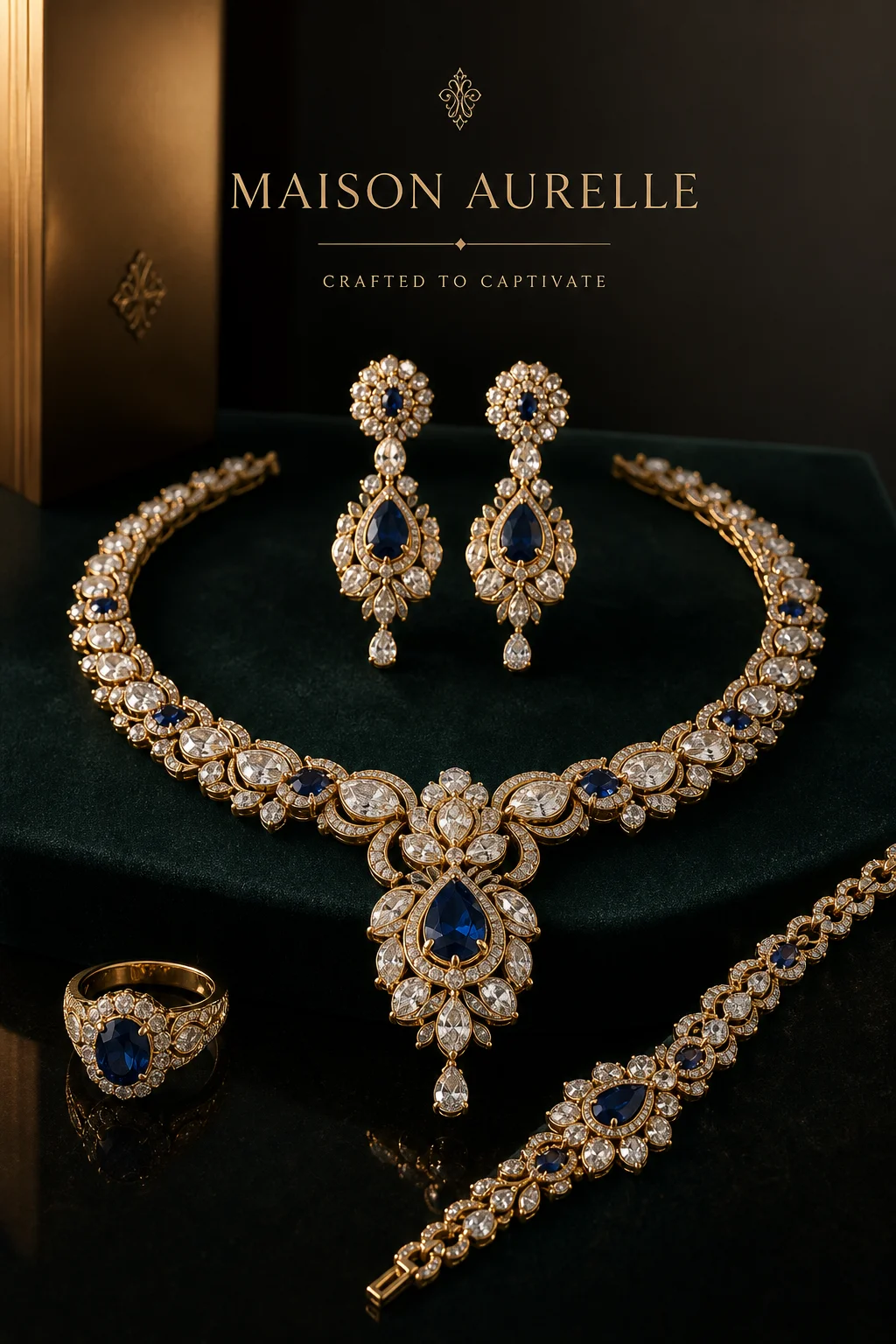
- The product is jewelry where diamond clarity, brilliant-cut sparkle, or precious-metal patina is the entire selling point. AI gets close but not all the way to the bar a Yakout or Damas buyer expects.
- The product is high-end fashion fabric where drape, weave, and material weight need to read accurately. AI generates plausible drape; trained eyes can spot the difference and bounce.
- The brand brief requires a specific human face — a brand ambassador, a founder, a real model with name recognition. AI-generated faces are a legal and reputational landmine; do not ship them in MENA.
- The hero is for a luxury OOH campaign where the print resolution exceeds 6,000 pixels on the long edge. AI tools can render at this scale but with artifacts that show on a billboard.
- A regulator (food, pharma, cosmetic claims) requires the photograph match the product on the shelf precisely, with notarized chain of custody on the asset.
The MENA marketplace compliance checklist
Before any image goes live on Salla, Zid, Noon, or Amazon SA, run it through this checklist. AI tools default to "Instagram-pretty," which is the wrong mode for the primary product image on a marketplace.
Salla product page:
- Primary image: white or near-white background, product fills 70–85% of the frame, no props, no logos other than the product's own.
- Aspect ratio consistency across the SKU range. Salla's grid view rewards uniformity; mixed ratios get downranked.
- File: 1500 × 1500 px minimum, JPG, under 500KB after compression.
- At least one lifestyle image in the gallery, but not as the primary.
Zid product page:
- Similar primary-image rules with slightly more tolerance for context backgrounds.
- Hero images sized for 1080 × 1350 (4:5) play best in Zid's mobile preview.
- Bilingual product titles need both Arabic and English variants of the hero copy if the image carries text.
Noon Marketplace (KSA + UAE):
- Strict white-background enforcement on the primary image — automated rejection if the background fails the contrast test.
- Product must occupy at least 85% of the frame.
- No watermarks, no URLs, no promotional badges on the primary.
- Six gallery images allowed; the second through fourth get the most click-through.
Amazon SA:
- Pure white background (RGB 255, 255, 255) on the main image.
- No nudity, no offensive content, and — specific to the SA marketplace — no model faces in compromising poses or revealing clothing on the main image. This rule is enforced more strictly in SA than in any other Amazon market.
- Image must be at least 1000 × 1000 to enable zoom; 2000 × 2000 recommended.
Modesty considerations across all four:
- Beauty, fragrance, and apparel brands targeting Saudi or Emirati buyers should default to product-only or hand-only shots on the primary image, with model faces only in secondary lifestyle images and only when the model is appropriately covered for the segment.
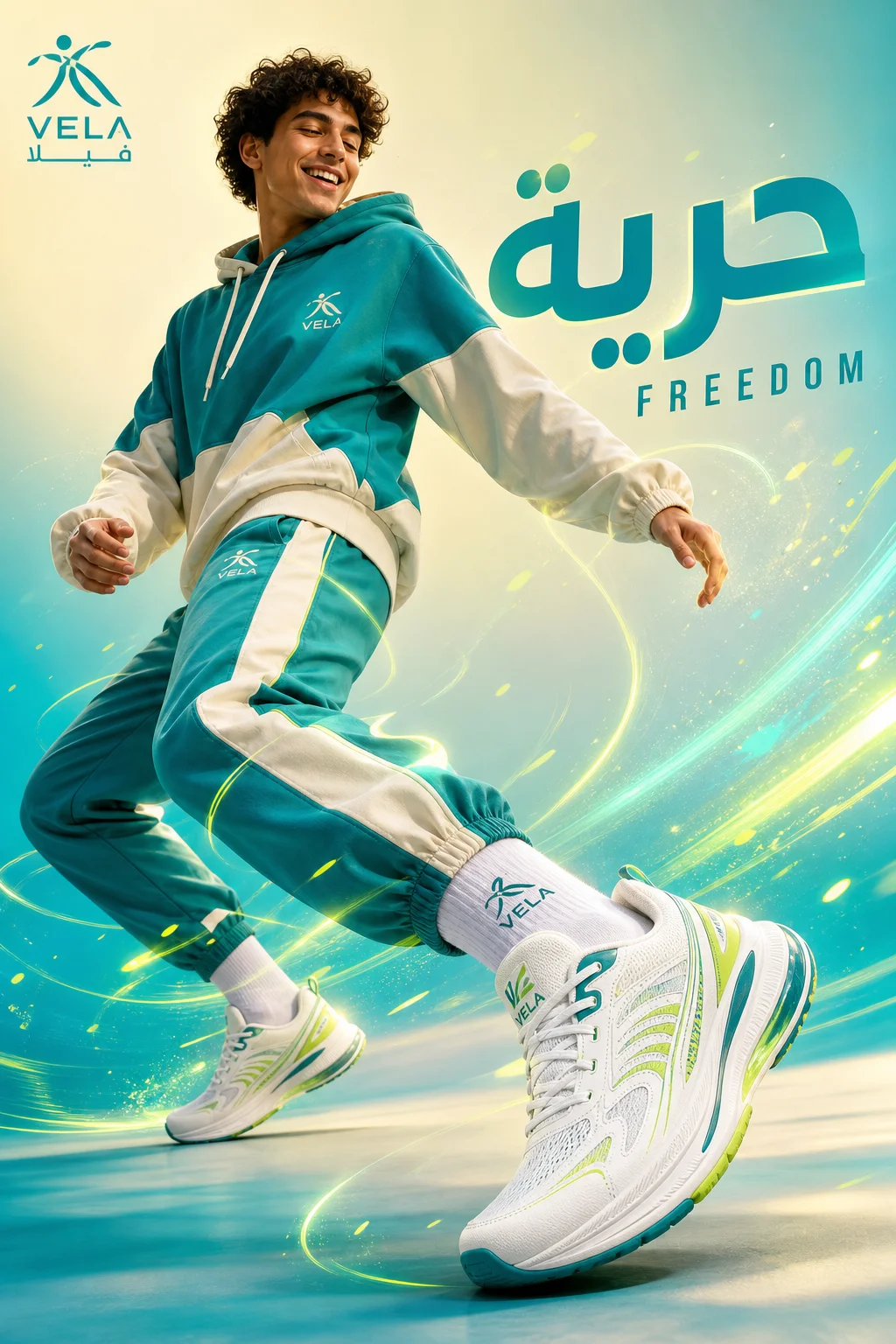
- Fashion brands selling abaya, kaftan, or modest-wear lines do feature full model shots — but the model wardrobe and hair coverage must match the buyer the brand is targeting. A brand selling to Khaleeji buyers cannot show the same model styling as a brand selling to Levantine or Egyptian buyers.
- Snapchat — the dominant social platform in Saudi Arabia, with the highest national Snapchat penetration in the world (Statista — Snapchat usage reach by country; DataReportal Digital 2025 Saudi Arabia) — is more forgiving than Instagram on lifestyle creative, but TikTok algorithms in the GCC suppress content that violates local norms even when the platform's global guidelines allow it.
Memm picks the right model for you
You don't need to learn which AI engine to use when. Memm reads each brief — language, packaging detail, hero size, lifestyle scene complexity — and picks the right model for each image automatically. You focus on the product; the engine choice is our problem, not yours.
<!-- EMBED_DESIGN missing id=554f6921-d026-446f-95ab-26448c14f27f -->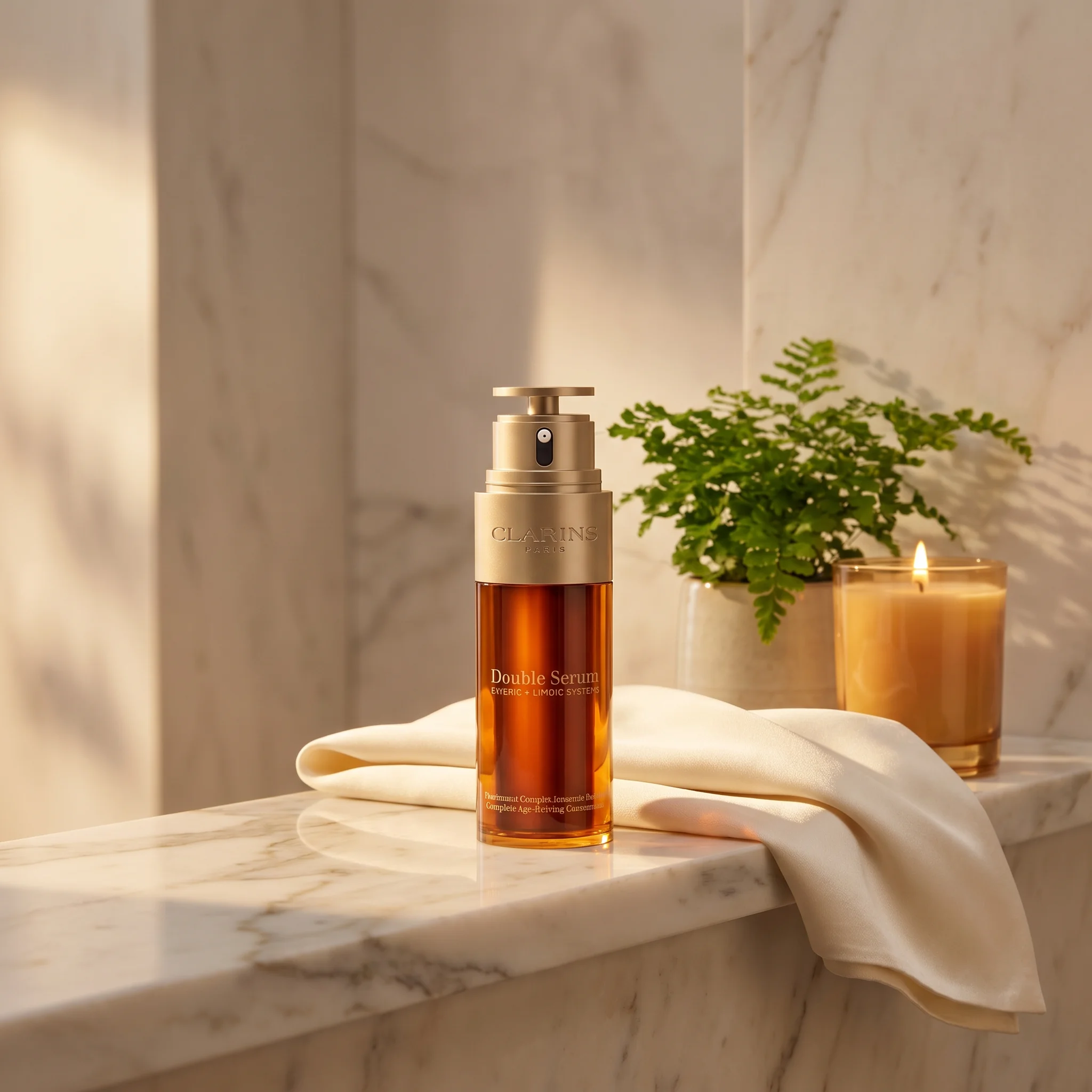
A six-step pipeline a MENA founder can implement this week
This is the pipeline Memm sees working across consumer-goods, beauty, and tech catalogs in Saudi Arabia and the UAE. It assumes a 50–200 SKU range, which is the band where the studio math breaks first.
- Sort the catalog by hero importance. Top 10% of SKUs by expected revenue get hero treatment (1 white-background pack-shot + 2 lifestyle heroes + 2 detail crops = 5 images each). The next 40% get the marketplace minimum (1 pack-shot + 1 lifestyle = 2 images each). The bottom 50% get a single pack-shot until they prove demand.
- Photograph the actual product once. A clean phone shot in good window light is enough — this becomes the input image for every AI generation. Do not skip this step. AI tools that generate without a real input photograph fabricate product details and wreck label accuracy.
- Brief the AI generation by job, not by aesthetic. "Marketplace pack-shot, white background, product centered, no props" is a clearer brief than "make it look premium." Aesthetic comes from the lifestyle pass, not the pack-shot pass.
- Generate in batches by aspect ratio. Group all 1:1 marketplace pack-shots in one session, all 4:5 paid social heroes in another, all 9:16 Story snippets in a third. Switching aspect ratios mid-batch slows the brief-loading and increases regen rate.
- Post-process to marketplace specs. White-background cleanup, aspect-ratio crops, file-size compression, EXIF strip. This is 4–6 minutes of work per image in Photoshop or any web tool. Do not skip.
- A/B test the hero on day 1, day 7, and day 30. AI generation is cheap enough to re-shoot a hero based on real conversion data instead of waiting for the next campaign cycle. Brands that win in MENA ecommerce treat product photography as a continuous loop, not a one-time spend.
The full Memm workflow note on this: Memm helps create the visual concept, product styling, and campaign direction. For exact logo placement, brand fonts, and final production edits, you can finish the design in Canva, Figma, Photoshop, or your preferred design tool.
What good looks like — quality benchmarks to check before shipping
Run every generated image through these five checks before it ships. If it fails two or more, regenerate.
- Lighting consistency: the light source direction and color temperature match across all images for the same SKU. Mixed lighting on a product page reads as amateur even when each individual image looks fine.
- Brand-safe color: the product's brand color (the Pantone the founder chose) is preserved within ±5% across generations. AI tools drift on saturated colors — flag every magenta, lime, and teal manually.
- Accurate product representation: the printed label, wordmark, and packaging detail match the real product. A buyer who receives a different package than the listing image returns the order and posts a screenshot.
- Edge sharpness: product edges are crisp at 100% zoom. AI tools sometimes soften edges to hide composition issues. Marketplace zoom features expose this.
- No artifact tells: no extra fingers, no warped reflections, no impossible shadow geometry. Buyers in 2026 spot AI artifacts in under two seconds; the listing dies on credibility.
The takeaway
AI product photography is the right answer for MENA ecommerce catalogs above 30 SKUs in 2026, full stop. The unit economics make studio shoots impractical at any scale beyond a small launch, and the speed advantage is the difference between catching a Ramadan campaign window and missing it. The catch is that "AI" alone is not a strategy. The brand that wins is the one that briefs the model by job, runs through the marketplace compliance checklist on every image, and treats product photography as a continuous A/B loop rather than a one-time invoice. Studios still hold the edge on jewelry diamond work, high-end fabric drape, and named-talent campaigns — and a serious brand keeps a relationship with one Riyadh or Dubai studio for those specific shoots while running the catalog through AI.
For more product-style references, browse the consumer goods design gallery and the beauty and cosmetics gallery. To brief your first product on Memm, head to Canvas.
Sources
Every numerical claim in this article is sourced from a verified public report. Cited URLs:
Try this in Memm
Make a campaign like this in seconds.
Generate Arabic and bilingual ad visuals from your product photos — no design experience needed.
Open in Memm