Modest Fashion Instagram Ads: A Stylist's Guide for MENA Brands
Modesty is visual logic, not censorship. Here's how to compose modest-fashion ads so they sell without signaling 'boring.'
From the Memm Editorial Team
Original guides on Arabic ad design, MENA campaign strategy, and bilingual creative direction.
Modest Fashion Instagram Ads: A Stylist's Guide for MENA Brands
A fashion brand in Jeddah launches a hijab and modest-wear line. The owner shoots the ads herself, with a model in hijab, simple abayas, and long sleeves. The images are correct — everything is covered, everything is modest, nothing violates any cultural or religious norm. And yet, the ads convert at half the rate of her competitors' modest-wear ads. The clicks are there (the algo is showing the ad). The saves are thin. The link-through to her Shopify is almost zero.
When she digs into what's working for her competitors, she finds that their ads aren't less modest. They're just more stylish. A competitor's modest-wear ad has the same coverage, but the color story is bolder, the silhouette is more architectural, the jewelry catches light, and the hand gesture is confident. The model looks present and certain — not covered but camera-shy. Same modesty rules. Completely different visual energy.
This is the core tension of modest fashion on Instagram: modesty as a value and modesty as visual constraint are not the same thing. A modest ad that looks constrained will lose customers to an equally modest ad that looks liberated. This article breaks down the styling, color, composition, and gesture rules that transform a modest-fashion ad from "technically correct" to "visually commanding." It's the stylist's guide to selling modest fashion with full fashion authority.
Why Modest Fashion Needs Styling Intention (Not Default Coverage)
Modesty without styling intention reads as shame. An ad where everything is covered by default — because you're avoiding exposure, not because you've chosen a particular aesthetic — signals uncertainty. A MENA customer looking at a modest-wear ad thinks: "Is this brand ashamed of what they're selling, or are they proud of it?"
The answer lives in the styling. If a hijab is worn with confidence (colors coordinated, a bold lip, eye contact with camera), it reads as choice and power. If a hijab is worn as a constraint (muted colors, no makeup, gaze averted), it reads as obligation and diminishment.
The same logic applies to abayas, long sleeves, and full-coverage pieces. A black abaya styled with a gold belt, a statement necklace, and a strong silhouette reads as luxury and intention. A black abaya styled with no accessories, worn with slumped posture, reads as default and resigned.
MENA customers — especially younger customers in the Gulf and urban Egypt — are buying modest fashion precisely because they want modest fashion to be fashion. If your ad makes it look like a compromise, you've lost the sale to a competitor who makes it look like a conviction.
The Styling Rules for Modest Fashion
1. Color as Status
Modesty doesn't mean neutral. In fact, neutral can read as conservative or afraid. Bold color in modest fashion reads as confident.
The rule: At least one element in the look should be a statement color — not black, not beige, not grey.
Statement colors for modest fashion:
- Jewel tones: emerald, sapphire, ruby, amethyst
- Gold and rich metallics
- Bold prints: geometric, floral, stripes with intent (not busy)
- Deep burgundy, terracotta, or rust (especially for warm skin tones)
How to apply:
- If the abaya or dress is neutral (black, beige, grey), the hijab or headscarf is statement color
- If the dress is statement color, the hijab can be coordinating (gold, cream, or a complementary tone)
- Shoes should coordinate or contrast intentionally (not disappear)
- At least one accessory (bag, belt, or jewelry) should carry the statement color forward
Anti-pattern: All black abaya, black hijab, black shoes, no jewelry, no belt. It reads as undone.
2. Silhouette as Architecture
Modesty requires full coverage, but full coverage doesn't require formlessness. The silhouette should be defined and intentional.
Abaya architecture:
- A fitted bodice with a flowing skirt (not loose everywhere)
- A structured neckline (boat neck, high round, or v-neckline with a modest insert) — not shapeless
- Sleeves that show the arm's shape, even if they're long
- A belt (always) — cinched at the waist to show the body's structure
Layering as intentional design:
- A long-sleeve base layer with a sheer or semi-sheer outer layer (gives dimension)
- A dress layered under a cropped outer layer (shows proportion)
- A statement neck scarf or hijab that creates visual interest at the shoulders
Shoes:
- Always visible and styled (not hidden or minimized)
- Either coordinating (same tone as the abaya) or contrasting (emerald abaya + gold heel)
- The shoe is part of the silhouette — it shapes the eye's line
Anti-pattern: Tent-like abayas with no structure, no belt, shapeless sleeves. It reads as resigned.
3. Jewelry as Visual Hierarchy
Jewelry is a strategic tool in modest-fashion ads. It does two things:
- Creates entry points for the eye — the viewer's gaze lands on jewelry before moving to the face
- Signals wealth and intention — jewelry says "this is a chosen look, not a default"
The jewelry rule for modest fashion:
- One statement piece (not multiple competing pieces)
- If the necklace is bold, keep earrings minimal
- If the earrings are bold, keep the necklace minimal
- Bracelets can be layered but should feel intentional (not jangled)
Where jewelry goes:
- Necklace: High at the collarbone, draws eye upward to the face and can frame a hijab beautifully
- Earrings: Visible if the hijab shows the ear, or statement stud if the ear is covered
- Bracelets: Visible on the wrist or forearm (modest sleeves should show the hand and wrist)
- Rings: Visible and proportional to hand size
Jewelry that works:
- Gold over silver (warmer, more luxe in MENA context)
- Pearls or semi-precious stones (emerald, lapis, carnelian — stones with cultural resonance)
- Geometric or minimal modern designs (not overly ornate)
Anti-pattern: No jewelry. A fully covered outfit with zero adornment reads as minimalist by accident, not minimalist by choice.
4. Face and Eye Presence
Modest fashion ads often leave the face as the only visible canvas (hair is covered, body is covered). The face must communicate presence.
Eye presence:
- Eye contact with camera (essential)
- Eyebrows visible and defined
- Eyeliner or eye makeup optional, but if present, should be intentional (kohl, neutral, or bold liner — not "natural" and invisible)
- Gaze should be level or slightly elevated (not downward, not averted)
Mouth and lip:
- A neutral lip or a bold lip both work
- Neutral (nude, natural tone) reads as effortless
- Bold (burgundy, rust, red) reads as intentional
- Smile is optional — a composed, straight-faced look can read as confidence (not sadness)
Skin texture:
- Visible skin (face, hands, possibly décolletage) should look healthy and cared-for
- Makeup can be light or bold, but should feel intentional (not cakey, not invisible)
Anti-pattern: Downcast gaze, muted lips, invisible face. It reads as shame.
5. Posture and Hand Gesture
Posture communicates agency. A modest-fashion wearer should look like she's making choices about her body, not hiding it.
Posture:
- Shoulders back, spine straight (not slumped or collapsed)
- Weight on one foot, creating a slight curve (contrapposto — classic for fashion)
- Turn the body 3/4 to camera (full-on straight can look stiff; 3/4 is dynamic)
Hand gesture:
- Hands visible, not hidden in pockets or behind the back
- One hand can hold the hijab, adjust the neckline, or rest on the hip
- The other hand can be at the side or holding a prop (a bag, a phone, a coffee cup)
- Hands should frame the face or the silhouette — not disappear
Negative space:
- Space around the body (not cropped tight)
- Space above the head (for a hijab or headscarf to have room to breathe)
Anti-pattern: Arms crossed, hands hidden, hunched posture. It reads as defensive.
Embed 1: Statement Color + Silhouette (Jewel Tone Dress + Gold Accents)
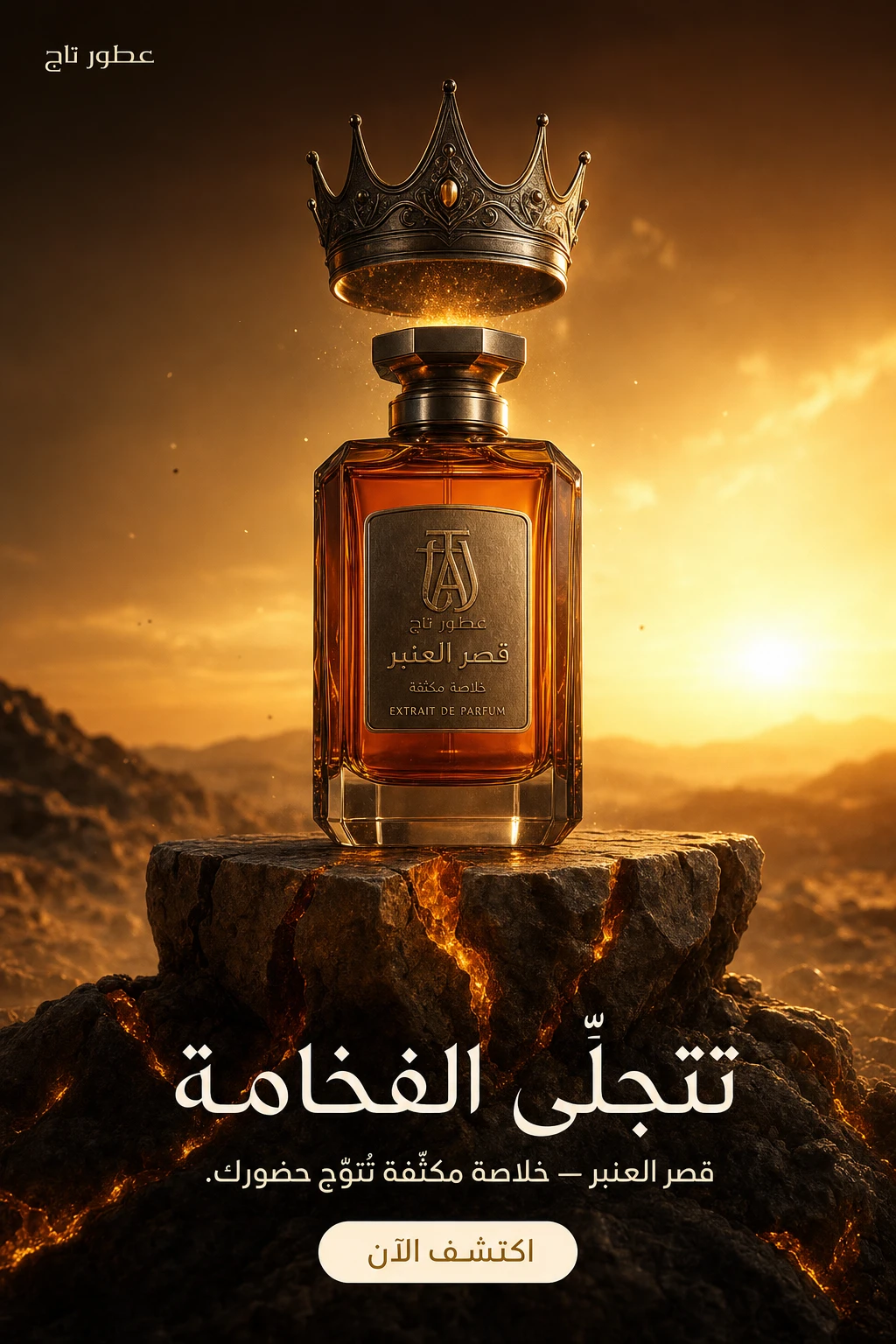
Embed 2: Abaya + Structured Silhouette + Jewelry
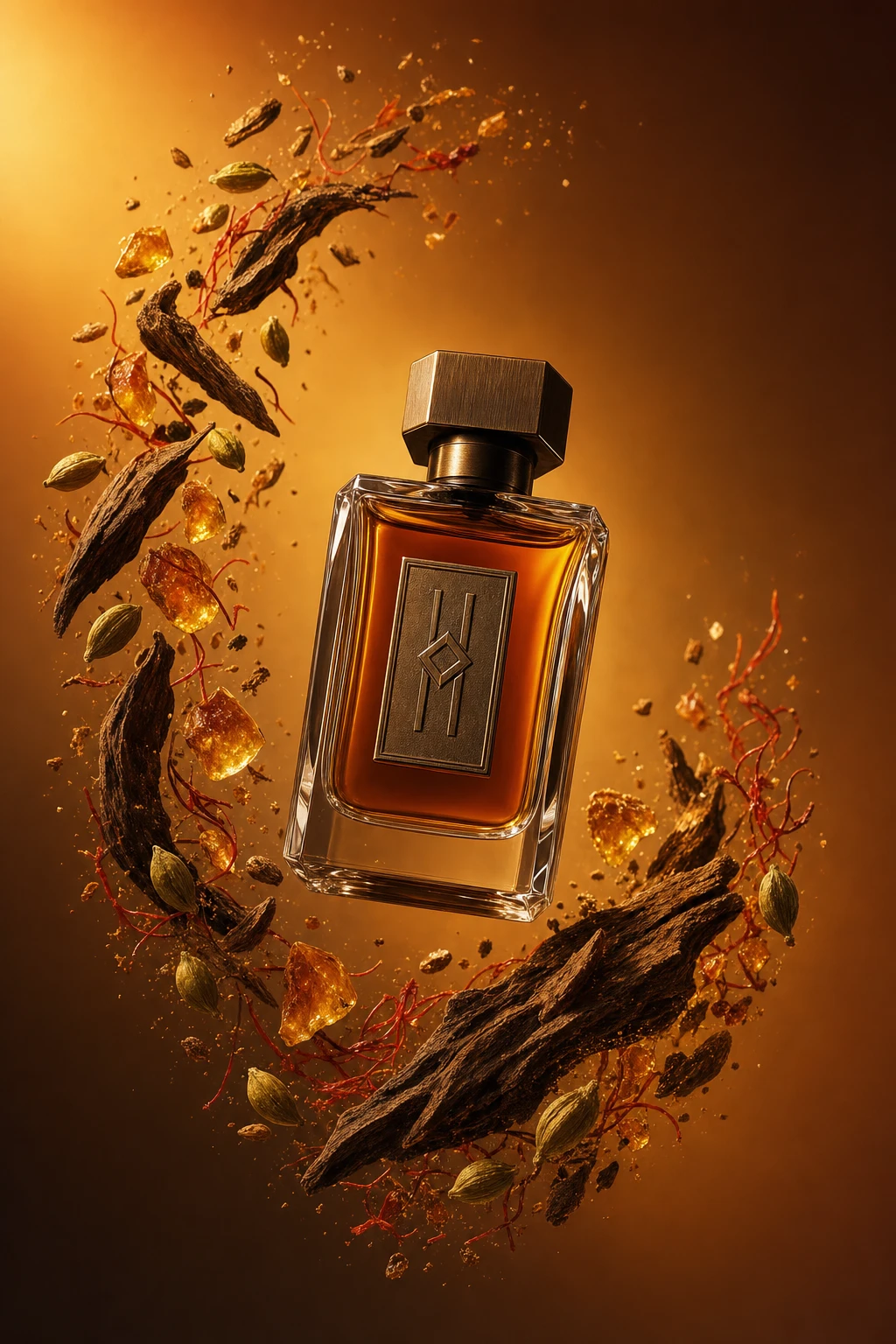
Embed 3: Layering as Design (Sheer Overlay + Base Layer)
<!-- EMBED_DESIGN missing id=e7495a7f-9f4c-45ab-bcc9-f8db9bb01350 -->The Bilingual Modest-Fashion Ad — Text Placement
If you're running ads to both Arabic and English speakers:
Keep text minimal and positioned outside the model's body:
- Arabic on the left (upper third or lower third, but not overlapping the model)
- English on the right
- Text should emphasize choice and fashion, not modesty as constraint
- Instead of "Modest fashion that covers," say "Bold modest fashion" or "Jewel-tone abayas"
Avoid These Anti-Patterns
Anti-pattern 1: The "Apologetic" Modest Ad You're selling modest fashion but the ad composition makes it look like you're apologizing for covering the body. Tight crops that hide the silhouette, no jewelry, no color, muted expression. This reads as defensive, not confident.
Anti-pattern 2: The "Runway" Modest Ad You've styled the model so fashionably that she looks like she's on a Paris runway, not a MENA street. Overly slicked hair (even under hijab), makeup that's too editorial, a pose that's too severe. This reads as aspirational but alienating.
Anti-pattern 3: The "Costume" Modest Ad You've styled the model in traditional or "ethnic" aesthetics so heavily (all gold, all embroidery, all traditional patterns) that contemporary modest-fashion customers don't see themselves. This reads as heritage costume, not modern modest fashion.
Anti-pattern 4: No Hand Visibility Hands hidden in pockets, behind the back, or inside sleeves. This reads as awkward and constrained. Hands should be visible, framing the outfit.
Anti-pattern 5: The Downcast Gaze The model is looking down, away from camera, or through the camera. This reads as shame. Eye contact or a level gaze reads as confidence and power.
The Operating Principle
Modest fashion is not a compromise with fashion — it's a distinct fashion category with its own visual language. Your ads should celebrate modesty as choice, not hide it as obligation. Bold color, intentional silhouette, visible jewelry, and confident presence are not un-modest. They're the visual language of modern modest fashion.
When a customer sees your modest-fashion ad, she should think: "This is confident. This is me. I can buy this and wear it like the model wears it — with pride and intention."
Next Step
If you're launching a modest-fashion line, open Memm and upload a photo of your garment styled on a model. Specify: "Modest fashion ad, jewelry visible, bold colors or jewel tones, confident presence, full-body shot, eye contact, positioned for Instagram carousel or feed."
Memm will route to Nano Banana Pro (which handles fabric detail, jewelry shine, and skin tone accuracy well). Generate 2–3 variations with different jewelry, different color accents, or different silhouettes.
Post the best variation to your feed and Stories. Track clicks and saves for 48 hours. The variation that converts becomes your template for future modest-fashion launches.
Try this in Memm
Make a campaign like this in seconds.
Generate Arabic and bilingual ad visuals from your product photos — no design experience needed.
Open in Memm